

October 10, 2025
Altitude Sickness/Acute Mountain Sickness (AMS)
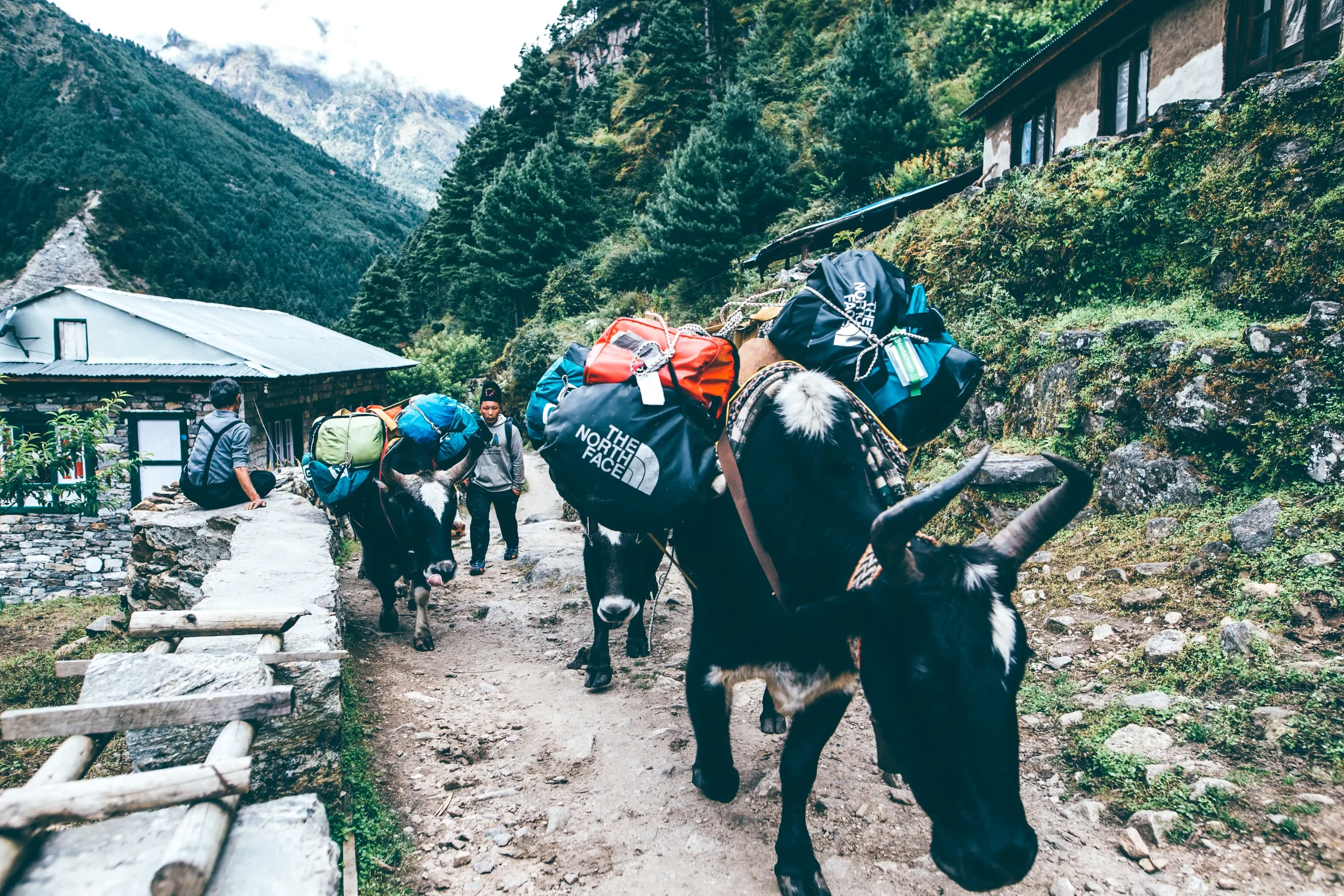
- Altitude sickness is the major concern on all high altitude sickness above 2,500 meters.
- The health conditions caused by the effects of altitude are known collectively as altitude sickness or AMS.
- About 25 out of 100 people who live at sea level will get altitude sickness when visiting places between 2500 and 3000 meters above sea level. Above 3500 meters about 50 out of 100 people can get altitude sickness.
- The best way to prevent altitude sickness is to allow your body time to get used to the new heights (elevations). This is called acclimatization.
- At altitudes above 4000 meters more serious forms of altitude sickness such as getting water-clogged lungs (high altitude pulmonary edema) and swelling of the brain (high altitude cerebral edema) can occur. These are medical emergencies. You must go to lower altitude (Descend to down immediately).
Note: “Walking high, sleeping low” is good advice; your night should be at a lower level then the highest point reached in the next day.
Treatment of Acute Mountain Sickness are:
- Stop climbing and take a rest.
- Descend down is more effective treatment.
Descend down to an altitude at least 1,000 meters lower than where you started to notice the altitude sickness. Be sure to eat enough, you do not feel like eating (Eat foods low in proteins, fats etc). Drink more hot liquid or soup.
- Drugs to treat Altitude Sickness.
Diamox® (Acetazolamide) can speed up the adjustment to altitude and can shorten long you will have altitude sickness. Side effects of Diamox include: numbness in your hands and feet, passing a lot of urine, feeling sick to your stomach, feeling sleepy, impotence and a hard time seeing far away. Carbonated beverages including beer can taste funny.
Signs and Symptom of Acute Mountain Sickness are:
- Feeling tired, dizzy, lazy etc.
- Double vision
- Blurred vision
- Feeling sick to your stomach
- Throwing up
- Having trouble breathing
- Changes in your mood
- Not being able to sleep
- You may vomit
Note: You shouldn’t take Diamox® if you have allergic to sulfa drugs.
Related Blogs & Articles
October 10, 2025
Trekking Season in Nepal

October 10, 2025
Accommodation, Meals in Cities & During Treks

October 10, 2025
